Dusts and De-dusting of Natural Products Datasets: A Critical Review of the Challenges
DOI:
https://doi.org/10.59493/advpbl/2026.1.9Keywords:
Dataset, natural product, prediction, artificial intelligence, quality, bioactivityAbstract
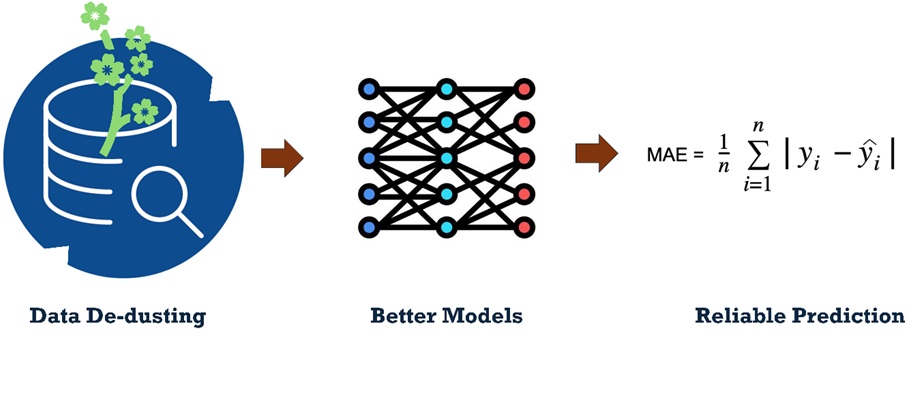
Machine learning and artificial intelligence have become an established part of natural-products (NP) drug discovery. From bioactivity, hit-identification and lead optimization to toxicity and pharmacokinetic profiling, predictive models have sustained increased momentum. While many review works have focused on the models underlying predictions in NP drug discovery, a detailed understanding of how the quality of the data impacts the predictive process is still lacking. In this narrative review, we undertake the task of unravelling the shortcomings of the current datasets we have, the bottlenecks presented and ways to alleviate them. NP datasets are plagued by unique challenges—including chemical complexity, sparse bioactivity data, experimental variability, and significant toxicity data gaps—which collectively act as "dust", obscuring reliable predictions. We show how embedding data quality checks during curation and standardization during modelling can improve predictive performance. Additionally, data enrichment by augmentation and hybridization with multi-omics will be a good addition to NP drug discovery. We conclude that giving equal priority to data quality as algorithmic complexity ensures more reliable prediction and translation of AI-driven NP research into tangible therapeutic outcomes.
References
Ferreira FJN, Carneiro AS, 2025. AI-Driven Drug Discovery: A Comprehensive Review. ACS Omega, 10: 23889–23903. https://doi.org/10.1021/acsomega.5c00549.
Paerhati Y, Aikebaier A, Dilimulati D, Baishan A, Yusufujiang N, Qiu X, Wusiman Y, Zhou W, 2026. Rethinking nature’s pharmacy: AI era and natural product drug discovery. Pharmaceuticals, 19(2): 301. https://doi.org/10.3390/ph19020301
Bilotta M, Rocca R, Alcaro S, 2025. Next-generation drug discovery: The AI revolution in pharmaceutical research. Artificial Intelligence in the Life Sciences, 8: 100149. https://doi.org/10.1016/j.ailsci.2025.100149
Simoben CV, Babiaka SB, Moumbock AFA, Namba-Nzanguim CT, Eni DB, Medina-Franco JL, Günther S, Ntie-Kang F, Sippl W, 2023. Challenges in natural product-based drug discovery assisted with in silico-based methods. RSC Advances, 13: 31578–31594. https://doi.org/10.1039/d3ra06831e
Ayoka TO, Nnadi CO, 2025. A robust SMILES-based prediction of aqueous solubility of diverse antiplasmodial compounds using machine learning algorithms. Letters in Applied NanoBioScience, 14(3): 187. https://doi.org/10.33263/LIANBS143.187.
Hou C, Gao Y, Lin X, Wu J, Li N, Lv H, Cheng-Chung Chu W, 2025. A review of recent artificial intelligence for traditional medicine. Journal of Traditional and Complementary Medicine, 15: 215–228. https://doi.org/https://doi.org/10.1016/j.jtcme.2025.02.009.
Sunday JE, Okoro EC, Nwose AA, Ugwuanyi CS, Mgbe CC, Onwuasoanya PC, Abana SI, Ugwuodo BE, Nnadi CO, Obonga WO, 2026. Network pharmacology identification of Aframomum-derived anti-arthritic agents. Discover Chemistry, 3(1):350. https://doi.org/10.1007/s44371-026-00824-0.
Bhadra S, Pundir C, Mukherjee M, Kar A, Banerjee S, Charoensup R, Duangyod T, Mukherjee PK, 2025. Reimagining ethnopharmacology with generative AI: Towards inclusive, ethical, and data-driven traditional medicine. Pharmacological Research, 221: 108002. https://doi.org/https://doi.org/10.1016/j.phrs.2025.108002.
Li Y, Pei J, Lai L, 2021. Structure-based de novo drug design using 3D deep generative models. Chemical Science, 12: 13664–13675. https://doi.org/10.1039/d1sc04444c.
Esaki T, Ikeda K, 2026. Data curation in cheminformatics: importance and implementation. Journal of Cheminformatics, 18: 43. https://doi.org/10.1186/s13321-026-01174-w.
Gangwal A, Ansari A, Siddique MUM, Sawale J, Padmane S, Wadekar R, 2026. Integrating artificial intelligence into drug discovery from medicinal plants: Current applications and infrastructural challenges. Chemical Biology & Drug Design, 108. John Wiley & Sons, Ltd: e70372. https://doi.org/10.1111/cbdd.70372.
Bender A, Cortés-Ciriano I, 2021. Artificial intelligence in drug discovery: what is realistic, what are illusions? Part 1: Ways to make an impact, and why we are not there yet. Drug Discovery Today, 26: 511–524. https://doi.org/https://doi.org/10.1016/j.drudis.2020.12.009.
Pereira TO, Abbasi M, Oliveira RI, Guedes RA, Salvador JAR, Arrais JP, 2023. Artificial intelligence for prediction of biological activities and generation of molecular hits using stereochemical information. Journal of Computer-Aided Molecular Design, 37: 791–806. https://doi.org/10.1007/s10822-023-00539-9.
Hasanzadeh F, Josephson CB, Waters G, Adedinsewo D, Azizi Z, White JA, 2025. Bias recognition and mitigation strategies in artificial intelligence healthcare applications. NPJ Digital Medicine, 8: 154. https://doi.org/10.1038/s41746-025-01503-7.
Diao X, Zhang H, Wang S, Wang Z, Zhang Q, 2026. Rethinking network analysis in ethnopharmacology: a multi-omics and AI roadmap to overcome conceptual and methodological biases. Frontiers in Pharmacology, 17: 1748478. https://doi.org/10.3389/fphar.2026.1748478
Sieg J, Flachsenberg F, Rarey M, 2019. In need of bias control: Evaluating chemical data for machine learning in structure-based virtual screening. Journal of Chemical Information and Modelling, 59: 947–961. https://doi.org/10.1021/acs.jcim.8b00712.
Didigwu OK, Nnadi CO, 2024. Drug-likeness, pharmacokinetics, and toxicity prediction of phytotoxic terpenoids. Proceedings, 102(1), 47. https://doi.org/10.3390/proceedings2024102047.
Didigwu OK, Nnadi CO, 2024. Theoretical drug-likeness, pharmacokinetics, and toxicities of phytotoxic terpenoids from the Toxic Plants-Phytotoxins. Tropical Journal of Natural Product Research, 8(10): 8867-8873. https://doi.org/10.26538/tjnpr/v8i10.31.
Nnadi CO, Banda SH, Uzonwanne MU, Didigwu OK, 2024. Cancer stem cells as potential targets of phytotoxic alkaloids: Drug-likeness prediction and molecular docking studies. Proceedings, 100(1): 21. https://doi.org/10.3390/proceedings2024100021.
Hou C, Gao Y, Lin X, Wu J, Li N, Lv H, Chu WC, 2025. A review of recent artificial intelligence for traditional medicine. Journal of Traditional and Complementary Medicine, 15: 215–228. https://doi.org/https://doi.org/10.1016/j.jtcme.2025.02.009.
Othman ZK, Ahmed MM, Kasimieh O, Musa SS, Branda F, Cue EG, Ocampo JMA, Prisno DEL, Vimolmangkang S, 2025. Artificial intelligence for natural product drug discovery and development: current landscape, applications, and future directions. Intelligence-Based Medicine, 12: 100316. https://doi.org/10.1016/j.ibmed.2025.100316.
Xu T, Xu Y, Zhang J, Zhou Y, Feng H, Zhang A, Zhang Y, 2026. Advances in AI for predicting pharmacological properties of natural medicines. Life Sciences, 387: 124180. https://doi.org/10.1016/j.lfs.2025.124180.
Rajan K, Weißenborn V, Lederer L, Zielesny A, Steinbeck C, 2025. MARCUS: molecular annotation and recognition for curating unravelled structures. Digital Discovery, 4: 3137–3148. https://doi.org/10.1039/d5dd00313j.
Rutz A, Sorokina M, Galgonek J, Mietchen D, Willighagen E, Gaudry A, Graham JG, Stephan R, Page R, Vondrášek J, Steinbeck C, 2022. The LOTUS initiative for open knowledge management in natural products research. Edited by David A Donoso, Anna Akhmanova, and Charles Tapley Hoyt. ELife, 11: e70780. https://doi.org/10.7554/eLife.70780.
Kaur R, Singh HJ, Chana I, 2026. Machine learning-based data deduplication: Techniques, challenges, and future directions. Concurrency and Computation: Practice and Experience, 38: e70574. https://doi.org/10.1002/cpe.70574.
Letchuman S, Madhuranga HDT, Madhurangi BLNK, Premarathna AD, Saravanan M, 2025. Alkaloids unveiled: A comprehensive analysis of novel therapeutic properties, mechanisms, and plant-based innovations. Intelligent Pharmacy, 3: 268–276. https://doi.org/10.1016/j.ipha.2024.09.007.
Chen Y, Kirchmair J, 2020. Cheminformatics in Natural Product-based Drug Discovery. Molecular Informatics, 39: 2000171. https://doi.org/10.1002/minf.202000171.
Bender A, Cortes-Ciriano I, 2021. Artificial intelligence in drug discovery: what is realistic, what are illusions? Part 2: A discussion of chemical and biological data. Drug Discovery Today, 26: 1040–1052. https://doi.org/10.1016/j.drudis.2020.11.037.
Araujo de Oliveira AP, Wegermann CA, Ferreira AMDC, 2024. Keto-enol tautomerism in the development of new drugs. Frontiers in Chemical Biology, 3: 1400642. https://doi.org/10.3389/fchbi.2024.1400642.
Wu JP, Li LY, Li JR, Yu M, Zhao J, Xu QM, Gu YC, Zhang T, Zou ZM, 2022. Silencing tautomerization to isolate unstable physalins from Physalis minima. Journal of Natural Products, 85(6):1522-39. https://doi.org/10.1021/acs.jnatprod.2c00101.
Truong DH, Dinh TT, Trinh TM, Pham TH, Pham MQ, Gawlik-Dziki U, Dao DQ, 2025. HOO radical scavenging activity of curcumin I and III in physiological conditions: a theoretical investigation on the influence of acid–base equilibrium and tautomerism. RSC Advances, 15(8):5649-64. https://doi.org/https://doi.org/10.1039/d4ra07769e.
Schwarzinger J, Adelsberger S, Ortmayr K, Stellnberger SL, Tahir A, Hädrich G, Pichler V, Rollinger JM, Grienke U, Dailey LA, 2024. Biopharmaceutical profiling of anti-infective sanggenons from Morus alba root bark for inhalation administration. International Journal of Pharmaceutics: X, 8:100272. https://doi.org/10.1016/j.ijpx.2024.100272.
Lin H, Hou D, Jiang X, Yin R, Yu S, Lu S, Wang S, Ju D, Zhao H, Chen Y, Zeng X, 2026. NPASS database update 2026: comprehensive quantitative composition, bioactivity, and ADME-Tox data of natural products for biomedical research. Nucleic Acids Research, 54(D1): D1519-D1527. https://doi.org/10.1093/nar/gkaf1196.
Wang M, Wang Z, Zhang J, Zhan J, Wu C, Yu W, Fan W, Tang J, Zhang Q, Zhang J, 2022. Sustainable bioactive salts fully composed of natural products for enhanced pharmaceutical applicability. ACS Sustainable Chemistry & Engineering, 10(31):10369-10382. https://doi.org/10.1021/acssuschemeng.2c03138.
Battu SK, Repka MA, Maddineni S, Chittiboyina AG, Avery MA, Majumdar S, 2010. Physicochemical characterisation of berberine chloride: a perspective in the development of a solution dosage form for oral delivery. AAPS PharmSciTech, 11(3):1466-1475. https://doi.org/10.1208/s12249-010-9520-y.
Zhao W, Hao T, Lu H, Jiang C, Xu J, Zhang Z, Stalin A, Zhang X, Pan L, Xu J, 2026. hERG Channel Blockade and Additive Interactions of Magnolol and Honokiol from Magnolia Species. Toxicology Letters, 2:113152. https://doi.org/10.1016/j.toxlet.2026.113152.
Kellogg JJ, Jordan RT, Ranaweera MM, Custer K, Anez SG, Bendlin J, Chacon FT, Chen X, 2026. Cultivar to chemotype: characterising complex botanicals with mass spectrometry metabolomics. Natural Product Reports, 43(6):1181-200. https://doi.org/https://doi.org/10.1039/d5np00040h.
Albattah W, Khan RU, 2025. Impact of imbalanced features on large datasets. Frontiers in Big Data, 8: 1455442. https://doi.org/10.3389/fdata.2025.1455442.
Gilson MK, Liu T, Baitaluk M, Nicola G, Hwang L, Chong J, 2016. BindingDB in 2015: A public database for medicinal chemistry, computational chemistry and systems pharmacology. Nucleic Acids Research, 44: D1045–D1053. https://doi.org/10.1093/nar/gkv1072.
Panossian A, 2025. Trends and pitfalls in the progress of network pharmacology research on natural products. Pharmaceuticals, 18(4): 538. https://doi.org/10.3390/ph18040538.
Nnadi CO, Ozioko LM, Eneje GC, Onah CM, Obonga WO, 2020. In vivo antitrypanosomal effect and in silico prediction of chronic toxicity of N-methylholaphyllamine in rats. Tropical Journal of Pharmaceutical Research, 19(11): 2369-2375. http://dx.doi.org/10.4314/tjpr.v19i11.18.
Kumar V, Lalotra GS, Sasikala P, Rajput DS, Kaluri R, Lakshmanna K, Shorfuzzaman M, Alsufyani A, Uddin M, 2022. Addressing Binary Classification over Class Imbalanced Clinical Datasets Using Computationally Intelligent Techniques. Healthcare, 10(7): 1293. https://doi.org/10.3390/healthcare10071293.
Zeng T, Li J, Wu R, 2024. Natural product databases for drug discovery: Features and applications. Pharmaceutical Science Advances, 2: 100050. https://doi.org/10.1016/j.pscia.2024.100050.
Beressa TB, Annu A, Mtewa AG, 2020. Toxicity Protocols for Natural Products in the Drug Development Process. In Poisonous Plants and Phytochemicals in Drug Discovery, 189–212. https://doi.org/10.1002/9781119650034.ch9.
Graber D, Stockinger P, Meyer F, Mishra S, Horn C, Buller R, 2025. Resolving data bias improves generalisation in binding affinity prediction. Nature Machine Intelligence, 7(10):1713-1725. https://doi.org/10.1038/s42256-025-01124-5.
Kartic YS, Yi S, Park T, 2026. ToxBench: A leakage-audited multi-task benchmark for predictive toxicology with calibration, uncertainty, and applicability domain analysis. BMC Bioinformatics, https://doi.org/10.1186/s12859-026-06621-x.
Becker AE, Recamonde-Mendoza M, 2026. Mind the Gap: Investigating the Impact of Data Leakage on Machine Learning Predictive Models. In Intelligent Systems, ed. Rosiane de Freitas and Diego Furtado, 166–180. Cham: Springer Nature Switzerland.
Schiebroek CCG, Landrum GA, Riniker S, 2026. Balancing data quantity and quality: Evaluating curation strategies for bioactivity prediction in lead optimisation. Journal of Chemical Information and Modelling, 66(13): 7446–7452. https://doi.org/10.1021/acs.jcim.6c01018.
Oguike OE, Ugwuishiwu CH, Asogwa CN, Nnadi CO, Obonga WO, Attama AA, 2022. Systematic review on the application of machine learning to quantitative structure–activity relationship modelling against Plasmodium falciparum. Molecular Diversity, 26(6): 3447-3462. https://doi.org/10.1007/s11030-022-10380-1.
O’Boyle NM, Banck M, James CA, Morley C, Vandermeersch T, Hutchison GR, 2011. Open Babel: An open chemical toolbox. Journal of Cheminformatics, 3: 33. https://doi.org/10.1186/1758-2946-3-33.
Rajan K, Chandrasekhar V, Sharma N, Kanakam SRS, Baensch F, Steinbeck C, 2025. Cheminformatics Microservice V3: a web portal for chemical structure manipulation and analysis. Journal of Cheminformatics, 17: 142. https://doi.org/10.1186/s13321-025-01094-1.
Bento AP, Hersey A, Félix E, Landrum G, Gaulton A, Atkinson F, Bellis LJ, De Veij M, Leach AR, 2020. An open-source chemical structure curation pipeline using RDKit. Journal of Cheminformatics, 12: 51. https://doi.org/10.1186/s13321-020-00456-1.
Zdrazil B, 2025. Fifteen years of ChEMBL and its role in cheminformatics and drug discovery. Journal of Cheminformatics, 17: 32. https://doi.org/10.1186/s13321-025-00963-z.
Theisen R, Wang T, Ravikumar B, Rahman R, Cichońska A, 2024. Leveraging multiple data types for improved compound-kinase bioactivity prediction. Nature Communications, 15: 7596. https://doi.org/10.1038/s41467-024-52055-5.
Igwezeke FO, Nnadi CO, 2026. TransQSAR-pf: A Bio-Informed QSAR framework using Plasmodium falciparum stress signatures for enhanced antiplasmodial activity prediction. Engineering Proceedings, 124(1): 37. https://doi.org/10.3390/engproc2026124037.
Ayoka TO, Nnadi CO, 2026. Application of machine learning models in predicting malaria prevalence in Nigeria: An analysis of the 2015–2020 demographic and health surveys. Journal of Parasitic Diseases, 50(2):431-443. https://doi.org/10.1007/s12639-025-01880-6
Nnadi CO, Althaus JB, Nwodo NJ, Schmidt TJ, 2018. A 3D-QSAR study on the antitrypanosomal and cytotoxic activities of steroid alkaloids by comparative molecular field analysis. Molecules, 23(5): 1113. https://doi.org/10.3390/molecules23051113
Aditya T, Srinivas TA, Sravanthi Y, Kumar Y, Srihith IV, 2023. Data Standardisation: Key to Effective Data Integration. Advanced Innovations in Computer Programming Languages, 6(1): 1-4. https://doi.org/10.5281/zenodo.10060920.
Stumpfe D, Bajorath J, 2011. Assessing the confidence level of public domain compound activity data and the impact of alternative potency measurements on SAR analysis. Journal of Chemical Information and Modelling, 51: 3131–3137. https://doi.org/10.1021/ci2004434
Wilkinson MD., Dumontier M, Aalbersberg IJ, Appleton G, Axton M, Baak A, Blomberg N, Boiten JW, da Silva Santos LB, Bourne PE, Bouwman J, 2016. The FAIR Guiding Principles for scientific data management and stewardship. Scientific Data, 3: 160018. https://doi.org/10.1038/sdata.2016.18.
Neumann S, Meier R, Wenk M, Elapavalore A, Nishioka T, Schulze T, Stravs M, Tsugawa H, Matsuda F, Schymanski EL, 2026. MassBank: An open and FAIR mass spectral data resource. Nucleic Acids Research, 54(D1): D601–D606. https://doi.org/10.1093/nar/gkaf1193.
Chandrasekhar V, Rajan K, Kanakam SR, Sharma N, Weißenborn V, Schaub J, Steinbeck C, 2025. COCONUT 2.0: A comprehensive overhaul and curation of the collection of open natural products database. Nucleic Acids Research, 53(D1): D634–D643. https://doi.org/10.1093/nar/gkae1063.
Harrow J, Drysdale R, Smith A, Repo S, Lanfear J, Blomberg N, 2021. ELIXIR: providing a sustainable infrastructure for life science data at European scale. Bioinformatics, 37(16): 2506–2511. https://doi.org/10.1093/bioinformatics/btab481.
Bennett BC, Balick MJ, 2014. Does the name really matter? The importance of botanical nomenclature and plant taxonomy in biomedical research. Journal of Ethnopharmacology, 152: 387–392. https://doi.org/https://doi.org/10.1016/j.jep.2013.11.042.
Rees T, 2014. Taxamatch, an algorithm for near (‘fuzzy’) matching of scientific names in taxonomic databases. PLOS ONE, 9(9): e107510. https://doi.org/10.1371/journal.pone.0107510.
Kindt R, 2020. WorldFlora: An R package for exact and fuzzy matching of plant names against the World Flora Online taxonomic backbone data. Applications in Plant Sciences, 8: e11388. https://doi.org/https://doi.org/10.1002/aps3.11388
Richard-Bollans A, Allkin B, Civita F, Patmore K, Govaerts R, 2026. Storing accepted scientific names alone can lead to misinterpretation of botanical data. Scientific Reports, 16: 22651. https://doi.org/10.1038/s41598-026-47142-0.
Boyle B, Hopkins N, Lu Z, Raygoza Garay JA, Mozzherin D, Rees T, Matasci N, Narro ML, Piel WH, McKay SJ, Lowry S, 2013. The taxonomic name resolution service: an online tool for automated standardisation of plant names. BMC Bioinformatics, 14(1):16. https://doi.org/10.1186/1471-2105-14-16.
Ikerionwu C, Ugwuishiwu C, Okpala I, James I, Okoronkwo M, Nnadi CO, Orji U, Ebem D, Ike A, 2022. Application of machine and deep learning algorithms in optical microscopic detection of Plasmodium: A malaria diagnostic tool for the future. Photodiagnosis and Photodynamic Therapy, 40:103198. https://doi.org/10.1016/j.pdpdt.2022.103198.
Salifu D, Chepkemoi L, Ibrahim EA, Nkoba K, Tonnang HE, 2025. Data augmentation and machine learning algorithms for multi-class imbalanced morphometric data of stingless bees. Heliyon, 11(3): e42214. https://doi.org/10.1016/j.heliyon.2025.e42214.
Wang X, Hu Y, Zhou X, Li S, 2022. Network pharmacology and traditional medicine: Setting the new standards by combining in silico and experimental work. Frontiers in Pharmacology, 13: 1002537. https://doi.org/10.3389/fphar.2022.1002537.
Meyer KG, Bravo-Altamirano K, Herrick J, Loy BA, Yao C, Nugent B, Buchan Z, Daeuble JF, Heemstra R, Jones DM, Wilmot J, 2021. Discovery of florylpicoxamid, a mimic of a macrocyclic natural product. Bioorganic and Medicinal Chemistry, 50: 116455. https://doi.org/10.1016/j.bmc.2021.116455.
Apeh IS, Ayoka TO, Nnadi CO, Obonga WO, 2025. Modelling the quantitative structure–activity relationships of 1, 2, 4-triazolo [1, 5-a] pyrimidin-7-amine analogues in the inhibition of Plasmodium falciparum. Engineering Proceedings, 87(1): 52. https://doi.org/10.3390/engproc2025087052.
Ayoka TO, Uchegbu UJ, Alabuike CC, Nnadi CO, 2024. Efficient classification and regression models for the QSAR of chloroquine analogues against chloroquine-sensitive and chloroquine-resistant Plasmodium falciparum. Letters in Applied NanoBioScience, 13(2): 90. https://doi.org/10.33263/LIANBS132.090.
Umoette KS, Nnadi CO, Obonga WO, 2023. A robust regression-based modelling to predict antiplasmodial activity of thiazolyl–pyrimidine hybrid derivatives against Plasmodium falciparum. Chemistry Proceedings, 14(1): 52. https://doi.org/10.3390/ecsoc-27-16167.
Yang Y, Zhang H, Wang F, Qin Y, Yang Z, Zhai D, Zhou L, Li P, 2026. A deep learning-based generative model for NIR spectral data augmentation and herbal medicine-food homologous classification. Infrared Physics and Technology, 153: 106341. https://doi.org/10.1016/j.infrared.2025.106341.
Queiroz LP, Rebello CM, Costa EA, Santana VV, Rodrigues BCL, Rodrigues AE, Ribeiro AM, Nogueira IBR, 2023. Transfer Learning Approach to Develop Natural Molecules with Specific Flavour Requirements. Industrial and Engineering Chemistry Research, 62: 9062–9076. https://doi.org/10.1021/acs.iecr.3c00722.
Du Z, Wang Z, Chen Y, Li B, Wan X, Ren T, Chen H, Liu L, Jin Q, Zhang Y, Zhang Y, 2026. KAN-PROSPECT: a Kolmogorov–Arnold Networks–integrated framework for predicting the effects and adverse reactions of natural products via transfer learning. Scientific Reports, 16: 27045. https://doi.org/10.1038/s41598-026-57761-2.
Zhang C, Zhai Y, Gong Z, Duan H, She Y, Yang Y, Su A, 2024. Transfer learning across different chemical domains: Virtual screening of organic materials with deep learning models pretrained on small molecule and chemical reaction data. Journal of Cheminformatics, 16: 89. https://doi.org/10.1186/s13321-024-00886-1.
Yan J, Zhu J, Yang Y, Liu Q, Zhang K, Zhang Z, Liu X, Zhang B, Gao K, Xiao J, Chen E, 2025. BioMiner: A multi-modal system for automated mining of protein-ligand bioactivity data from literature. BioRxiv, https://doi.org/10.1101/2025.04.22.648951.
Nwizu CR, Nnadi CO, Igboasoiyi AC, 2026. Structure-based virtual screening identifies ritobegron and resveratrol as dual inhibitors of NMDA and PTP-1B for Alzheimer’s disease therapy. Tropical Journal of Phytochemistry and Pharmaceutical Sciences, 5(2):468-4674. https://doi.org/10.26538/tjpps/v5i2.4.
Lin W, Wang P, Zhang Y, Lu W, Yang M, Zhu Z, Yin X, Lv J, Zheng Z, Mei S, Huang Y, 2025. AI-driven transfer learning and generative model (TransGenGRU) enables the drug discovery of novel natural guaianolide sesquiterpene derivatives as potent NLRP3 inhibitors. Journal of Medicinal Chemistry, 68: 21534–21559. https://doi.org/10.1021/acs.jmedchem.5c01663.
Choi J, Nam G, Choi J, Jung Y, 2025. A perspective on foundation models in chemistry. JACS Au, 5(4): 1499–1518. https://doi.org/10.1021/jacsau.4c01160.
Aljanabi QA, Huang Z, Fan Z, Wu S, Liu S, Chen M, Chen H, Zhang Y, Xu J, Deng L, 2026. TwistDAN: Twisted domain adversarial network for synthetic accessibility assessment. Journal of Chemical Information and Modelling, 66: 2791–2806. https://doi.org/10.1021/acs.jcim.5c02935.
Cournia Z, Allen B, Sherman W, 2017. Relative binding free energy calculations in drug discovery: Recent advances and practical considerations. Journal of Chemical Information and Modelling, 57(12): 2911-2937. https://doi.org/10.1021/acs.jcim.7b00564.
De Ruiter A, Oostenbrink C, 2011. Free energy calculations of protein-ligand interactions. Current Opinion in Chemical Biology, 15(4): 547-552. https://doi.org/10.1016/j.cbpa.2011.05.021.
Wang E, Sun H, Wang J, Wang Z, Liu H, Zhang JZ, Hou T, 2019. End-point binding free energy calculation with MM/PBSA and MM/GBSA: strategies and applications in drug design. Chemical Reviews, 119(16): 9478-508. https://doi.org/10.1021/acs.chemrev.9b00055.
Akkus E, Tayfuroglu O, Yildiz M, Kocak A, 2022. Accurate binding free energy method from end-state MD simulations. Journal of Chemical Information and Modelling, 62: 4095–4106. https://doi.org/10.1021/acs.jcim.2c00601.
Ennab M, Mcheick H, 2024. Enhancing interpretability and accuracy of AI models in healthcare: A comprehensive review on challenges and future directions. Frontiers in Robotics and AI, 11: 1444763. https://doi.org/10.3389/frobt.2024.1444763.
Salih AM, Raisi‐Estabragh Z, Galazzo IB, Radeva P, Petersen SE, Lekadir K, Menegaz G, 2025. A perspective on explainable artificial intelligence methods: SHAP and LIME. Advanced Intelligent Systems, 7(1): 2400304. https://doi.org/10.1002/aisy.202400304.
Ezema IF, Akwu VC, Didigwu OK, Ogbonna JE, Ugwu AC, Nnadi CO, 2023. Exploring different drug targets responsible for the inhibitory activity of N, N′-substituted diamine derivatives in Leishmania. Engineering Proceedings, 56(1): 178. https://doi.org/10.3390/ASEC2023-16264.
Takefuji, Y, 2025. Reevaluating feature importance in machine learning: concerns regarding SHAP interpretations in the context of the EU Artificial Intelligence Act. Water Research, 280: 123514. https://doi.org/10.1016/j.watres.2025.123514.
Huang X, Marques-Silva J, 2024. On the failings of Shapley values for explainability. International Journal of Approximate Reasoning, 171: 109112. https://doi.org/10.1016/j.ijar.2023.109112.
Tropsha A, 2010. Best Practices for QSAR Model Development, Validation, and Exploitation. Molecular Informatics 29. John Wiley & Sons, Ltd: 476–488. https://doi.org/10.1002/minf.201000061.
Ertl P, Schuffenhauer A, 2009. Estimation of synthetic accessibility score of drug-like molecules based on molecular complexity and fragment contributions. Journal of Cheminformatics, 1: 8. https://doi.org/10.1186/1758-2946-1-8.
Jalbani A, Weerawarna R, Al-Zubaidi K, 2025. Enhancing data provenance in AI with blockchain technology: A comprehensive quality model. CSI Transactions on ICT, 13: 213–224. https://doi.org/10.1007/s40012-025-00419-7.
Muthuraj R, Chandrasekaran J, 2026. Nature meets machine: The AI renaissance in natural product drug discovery. Natural Products and Bioprospecting, 16: 37. https://doi.org/10.1007/s13659-025-00589-6.
Aledhari M, Razzak R, Parizi RM, Saeed F, 2020. Federated Learning: A Survey on Enabling Technologies, Protocols, and Applications. IEEE Access, 8: 140699–140725. https://doi.org/10.1109/ACCESS.2020.3013541.
Downloads
Published
How to Cite
Issue
Section
License
Copyright (c) 2026 Shadrach C. Eze, Lilian I. Nweke, Frances Ojobor, Wande M. Oluyemi, Charles O. Nnadi

This work is licensed under a Creative Commons Attribution 4.0 International License.
All articles published in Advanced Pharmaceutical and Biomedical Letters (AdvPBL) are distributed under an Open Access Creative Commons License BY/4.0. Users are allowed to freely download, read, distribute the materials in any medium or format, remix, reuse the articles or quote the articles, so long as proper attribution is given to the original creators (authors and publishers). Articles may be used for commercial or non-commercial purposes. Users are free to disseminate the work to colleagues or wider scientific community. By submitting their article, the author(s) grant publisher permission to publish, including displaying, storing, copying, and reusing their content.